
The community layer for summer camps: why leading independent schools are rethinking the parent experience
We didn't plan to pay attention to summer camps. Then our schools started asking.
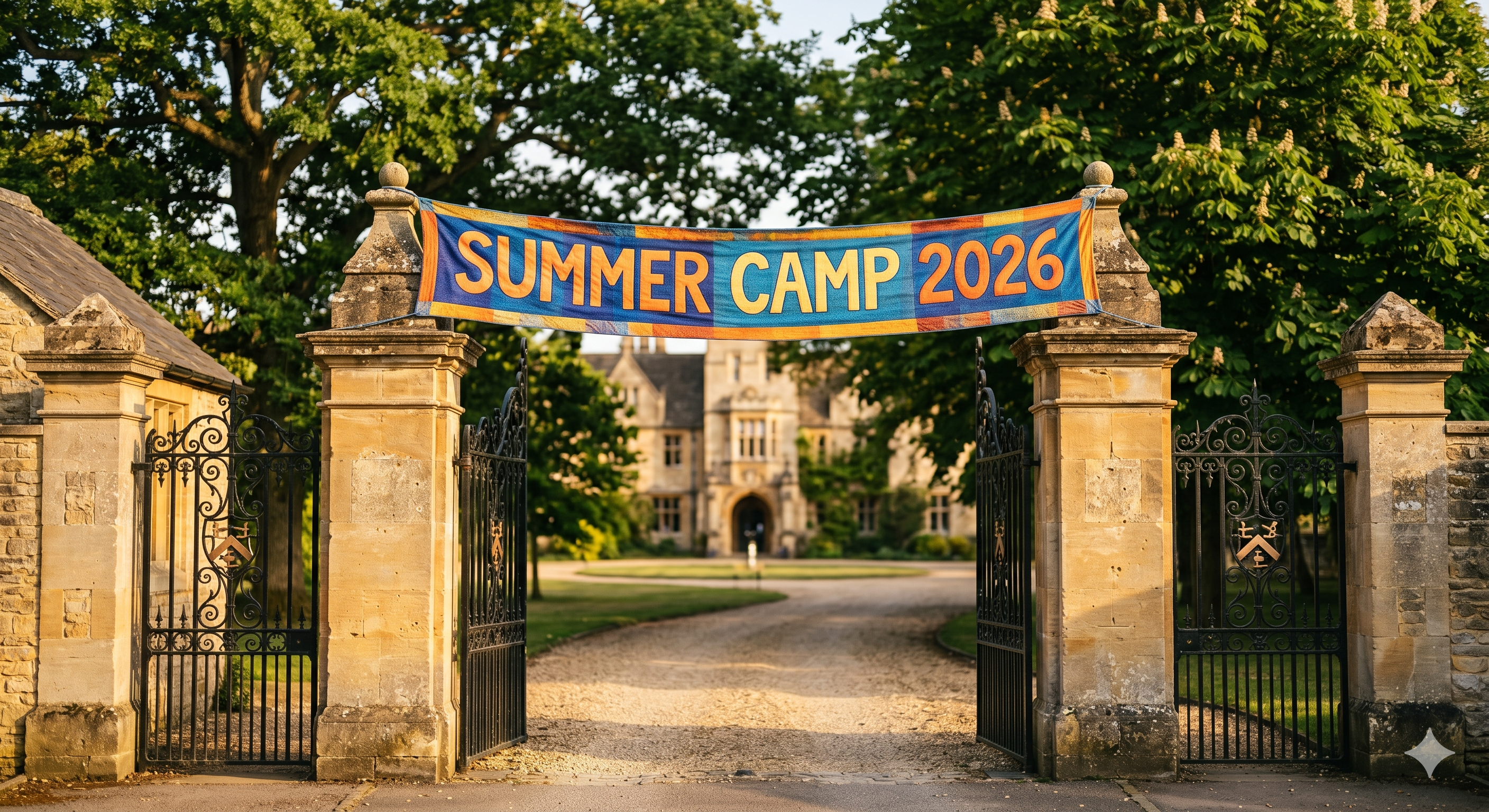
It started last year with a small group of high-profile Swiss boarding schools. Could we spin up a Classlist community just for their summer camp families? Different cohort, different dates, same need. We said yes, watched what happened, and filed it as interesting.
This year the requests have multiplied, and they're no longer just Swiss. Schools across Europe and the UK are asking the same question. Something has shifted in how the best independent schools are thinking about their summer programmes, and it is worth understanding why.
Two countries, two routes to the same conclusion
In Switzerland, summer programmes have been a serious business for decades. Alpine adventure, language immersion, global networks of families flying their children in for two weeks at a time. The leading Swiss boarding schools have built proper commercial machines around their summers, with international parent cohorts who treat the camp as a deliberate trial run for future boarding.
In the UK, the route has been different but the destination is the same. The VAT change on school fees, combined with the removal of business rates relief, has forced every bursar to look hard at the 8 to 10 weeks a year when boarding houses, commercial kitchens, swimming pools, theatres and sports pitches sit empty. The maths is brutal. The maths is also the opportunity.
UK schools have responded fast. Eton runs STEM and Global Leadership courses through Summer Boarding Courses. Harrow runs English language camps for 9 to 17 year olds in July. Bromsgrove hosts a programme for ages 5 to 16. Dean Close runs a summer school as an extension of its year-round provision. Bede's welcomes over 1,500 students a year aged 6 to 20 from up to 60 different countries across five locations. Gordonstoun, Taunton, Westonbirt, Hatherop Castle. The list grows every year.
Some schools run programmes in-house. Some lease the estate to specialists like Bucksmore, Summer Boarding Courses or Ultimate Activity. Either model works. Both put bums on campus during the dead months.
The bit the spreadsheets miss
A summer camp is not just a revenue line. It is the most efficient recruitment funnel a school will ever run.
Think about it. A family who spends two weeks at your school in August has already done the hard part. They know the gate code. They know the dining hall. They have met the head of pastoral care. Their child has friends in the year group. The parent has stood on the lawn at pickup chatting to other parents.
This is the open day. Stretched over two weeks. Paid for by the family.
If even a small percentage of those families convert to full enrolment, the lifetime value dwarfs the camp fee. And for international families, the camp is often the deliberate trial run for a future boarding place. Swiss schools have known this for years. UK schools are catching up fast.
So why are we leaving the leads on the table?
Because the moment camp starts, the high-touch parent journey that defines the academic year goes dark.
During term, parents get a curated experience. Newsletters, class reps, parent socials, a calendar of events, named staff who reply to emails. Belonging is built deliberately.
In summer? Most schools default to a WhatsApp group set up by the camp coordinator, a few logistics emails, and silence. Parents drop their child off and disappear into a vacuum. The international parent in Hong Kong has no way to ask another parent what to pack. The local parent doing the day camp has no idea who the other families are. The mum who is genuinely considering applying for September has no thread back to the school after pickup on the last day.
This is the connection gap. And it is where conversion goes to die.
Why summer communities are different from term-time communities
This is the bit we have learned by running them. A summer camp community is not just a smaller version of the term-time one. It has its own shape, and the schools that get this right design for it.
The cohort is new every fortnight. There is no slow build of relationships across years. Belonging has to be engineered fast, in a compressed window, with parents who have never met each other.
The parent base is international. A Swiss camp might have parents from Hong Kong, Lagos, Geneva, Riyadh and São Paulo on the same week. Time zones matter. Languages matter. A community space has to work for parents who would never bump into each other at the school gate.
There is no class rep structure. The natural scaffolding of term-time, the year groups and form tutors and class WhatsApps, doesn't exist. The community has to provide the structure that the school year normally provides for free.
The stakes are different. A camp parent is not yet a school parent. They are deciding whether to become one. Every interaction is part of the audition.
What the parent actually wants
Parents at summer camp want what parents always want. To feel held by the community their child is in.
They want to know who the other families are. They want to share a photo of their child's first day. They want to ask a stupid question about pickup times without bothering the office. They want to find another family in their hotel for dinner. They want to feel like they belong, even for two weeks.
Give them that, and something interesting happens. The camp parent stops feeling like a transient customer and starts feeling like part of the school community. The same psychology that makes a Year 7 parent become an evangelist for the school kicks in. Friendship is the conversion mechanism.
Where this is going
The schools coming to us are not asking for admin software. They are asking how to make a camp parent feel like a school parent. They have realised that the camp parent who feels part of something is the camp parent who books a school visit in September.
This year the trend is Swiss schools and a growing number of UK and European independents. Next year it will be most of the sector. Summer camps are no longer optional revenue. For leading independent schools they are now structural. The schools that win in the next five years will be the ones that treat the camp parent the way they treat the prep school parent at the gates in September. With care, with structure, with friendship.
The booking is the easy bit. What you do with the parent between the booking and the bus home is where the next generation of full-time families gets made.
Are you on Classlist yet?
Classlist's award-winning parent communications app is the safer alternative to public social networks. It's easy to set up! Be amongst more than 500,000 parents using Classlist in 40+ countries. Get started today!